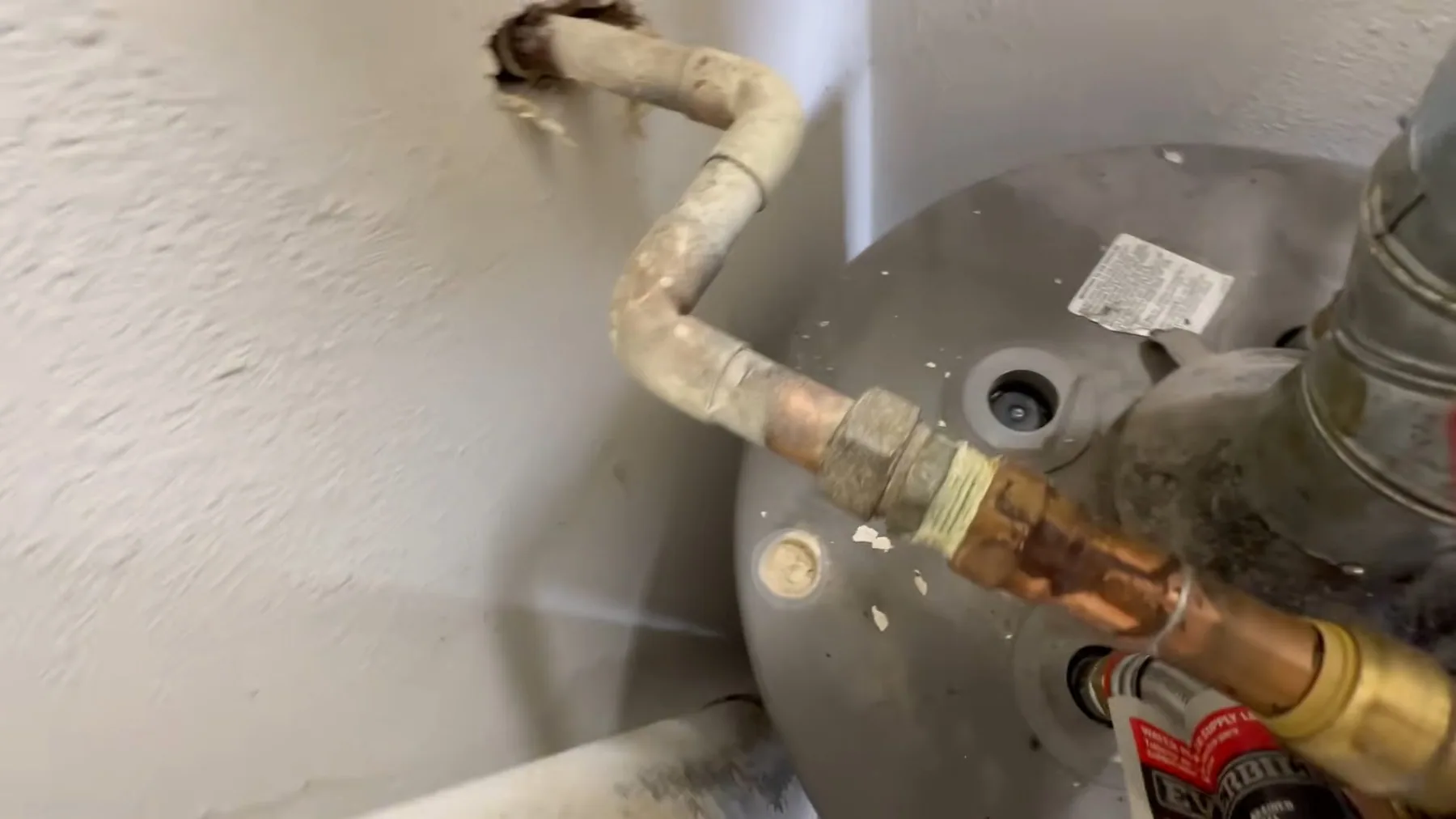
No hot water, not enough of it, or a heater making noises it did not used to make: most of these are a repairable fault, not a dead unit. The job is diagnosing which fault, and being honest when a repair is not worth it.
A water heater rarely dies all at once. It gives warning: water that runs lukewarm, a tank that empties faster than it should, popping or rumbling from inside, or discolored water at the tap. Each of those points at a specific, often inexpensive cause, and catching it early usually means a repair rather than a replacement.
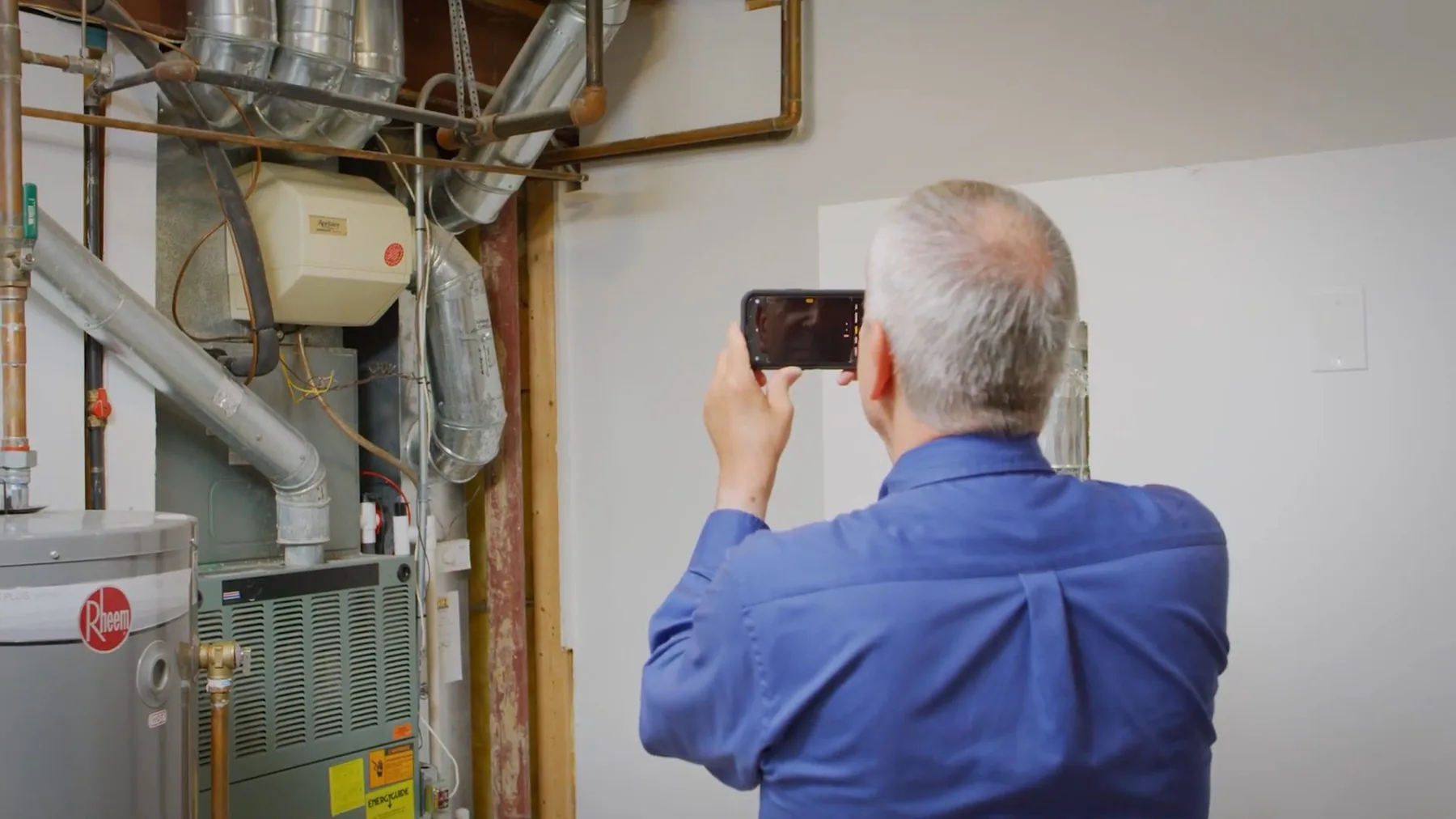
The most common Sherman causes are ordinary. A failed heating element or thermostat on an electric unit, a pilot or thermocouple problem on a gas unit, or sediment built up in the bottom of the tank. Even with the area's moderately hard water, sediment accumulates over the years and is behind a surprising share of the "not enough hot water" and rumbling-tank calls.
What the symptom usually means
No hot water at all on an electric heater is often a tripped breaker, a failed upper element, or a bad thermostat, while on a gas unit it is frequently a pilot or thermocouple issue. Not enough hot water, or hot water that runs out fast, commonly means one of two elements has failed or that sediment has stolen capacity from the bottom of the tank. A rumbling or popping noise is almost always sediment, water bubbling up through a layer of hardened mineral.
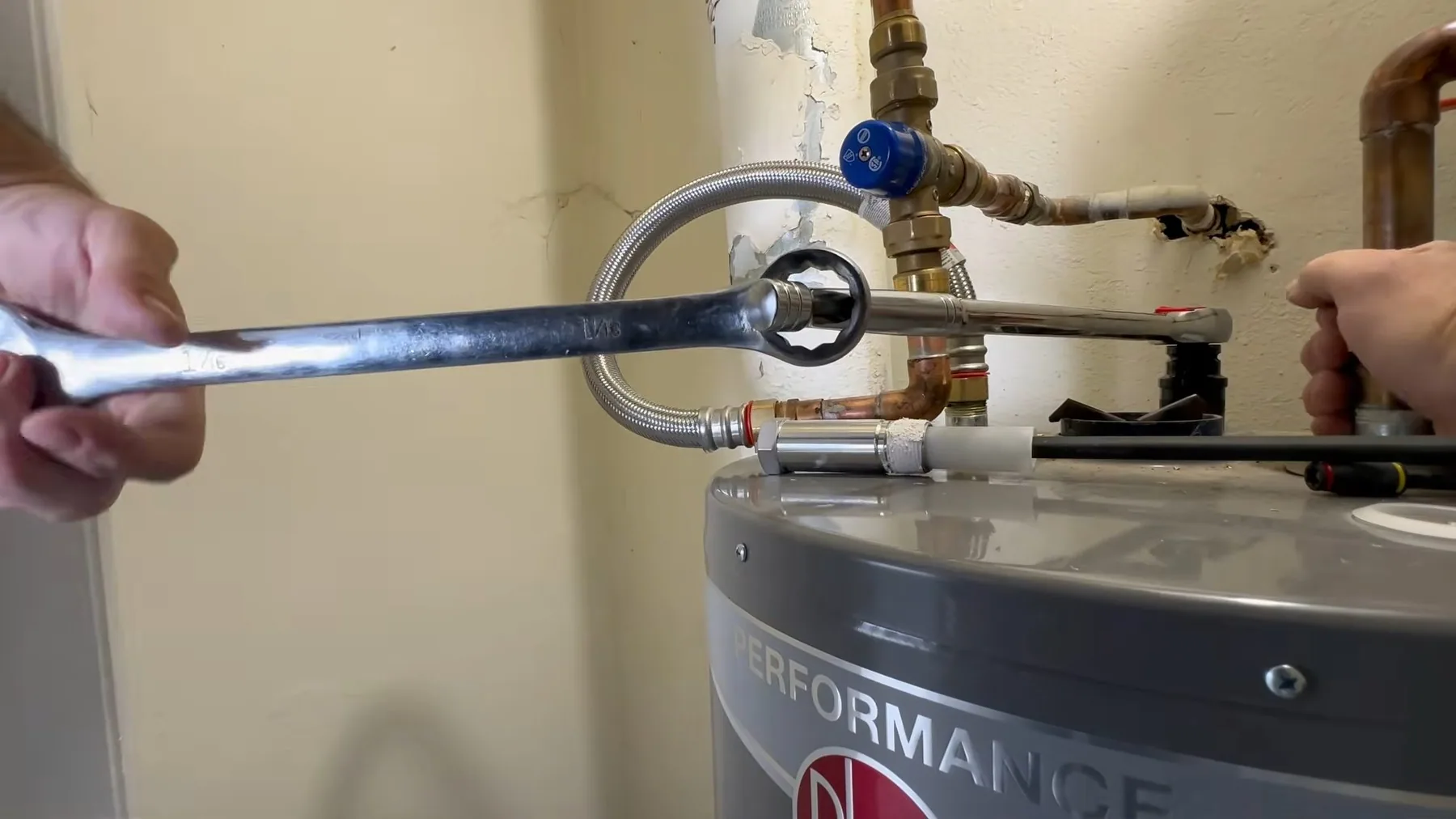
Discolored or smelly hot water can be a corroding anode rod or bacteria in the tank, both of which are addressable. Diagnosing correctly is the whole game, because replacing an element is a small job and replacing a thermostat is another, and neither requires a new heater.
| Symptom | Likely cause | Fix |
|---|---|---|
| No hot water | Element, thermostat, or pilot fault | Repair the failed part |
| Runs out fast | One element failed or sediment | Replace element or flush tank |
| Popping or rumbling | Sediment in the tank bottom | Flush the tank |
| Discolored hot water | Anode rod or bacteria | Replace rod or treat tank |
Not sure whether this is your problem? Describe the symptoms and we will tell you honestly.
CALL A PLUMBER NOW(903) 532-7599When we tell you to replace instead
Honesty cuts both ways. If a tank is leaking from the body, no repair will save it, and the responsible answer is a replacement before it fails completely and floods the space it sits in. The same is true when a unit is already near the end of its expected life and the repair would cost a real share of a new heater with a fresh warranty.
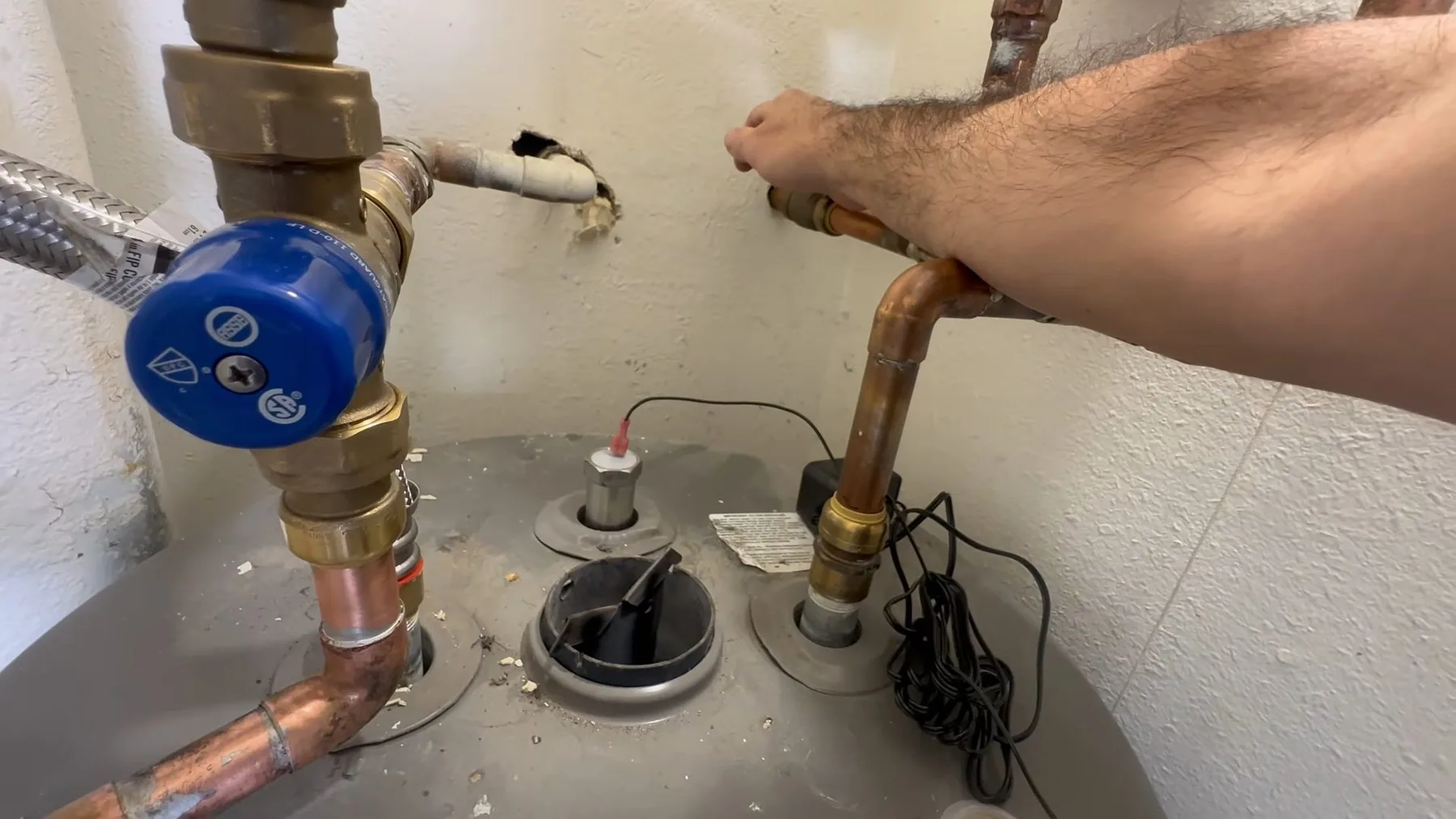
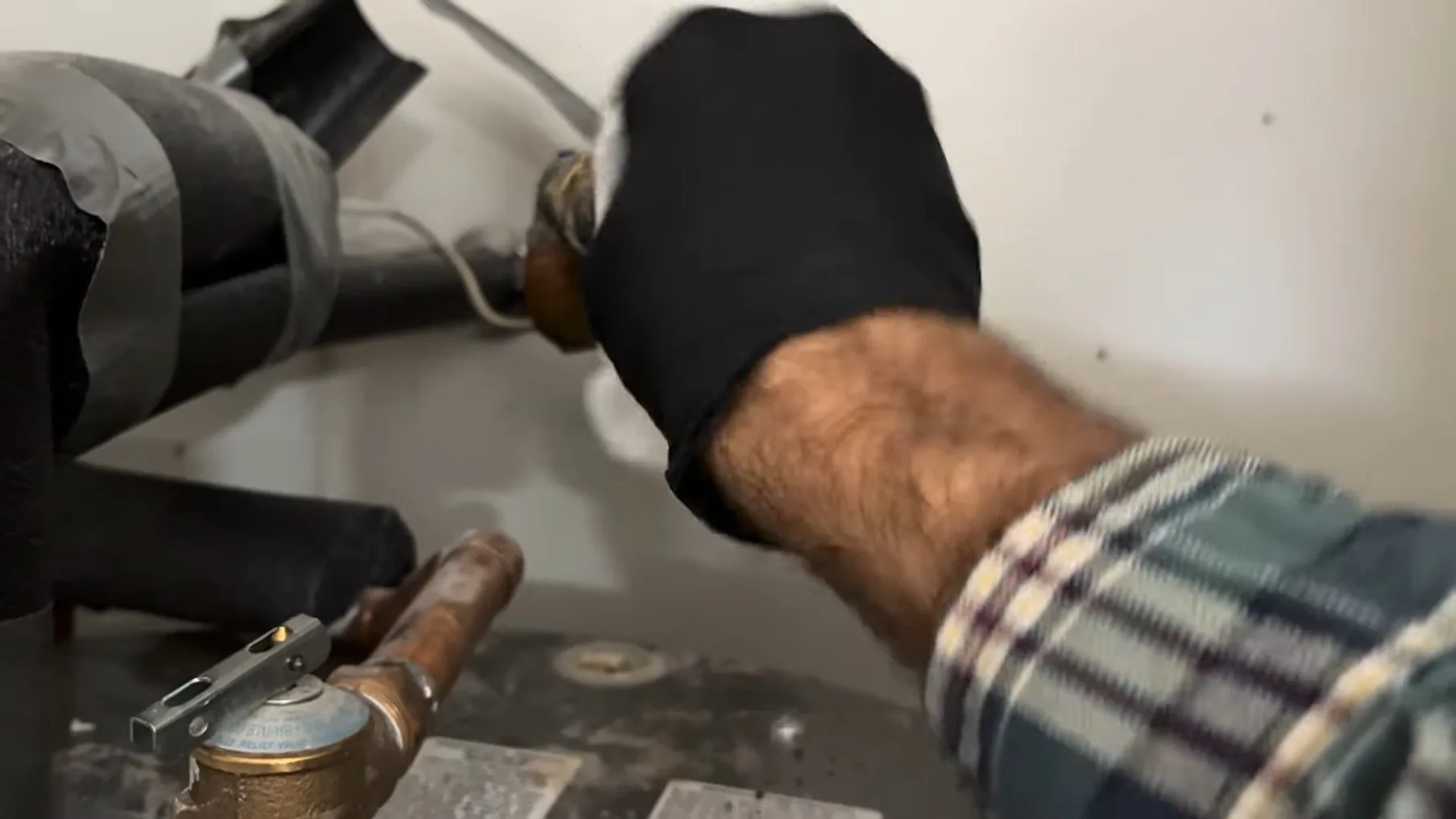
Flushing sediment is worth mentioning here because it is both a repair and a prevention. Draining the accumulated mineral out of the tank restores capacity and quiets the noise, and doing it periodically extends the life of the unit. On Sherman water it is a reasonable maintenance habit rather than an urgent yearly chore.
Sediment and the anode on Sherman water
Because Sherman treats its water to moderate hardness, the two most common water heater complaints we see here, running out fast and a popping or rumbling tank, are usually a manageable amount of sediment rather than the heavy scale a hard water town fights. A flush often buys real time on a tank that is otherwise sound, which makes a repair the honest call more often than a replacement.
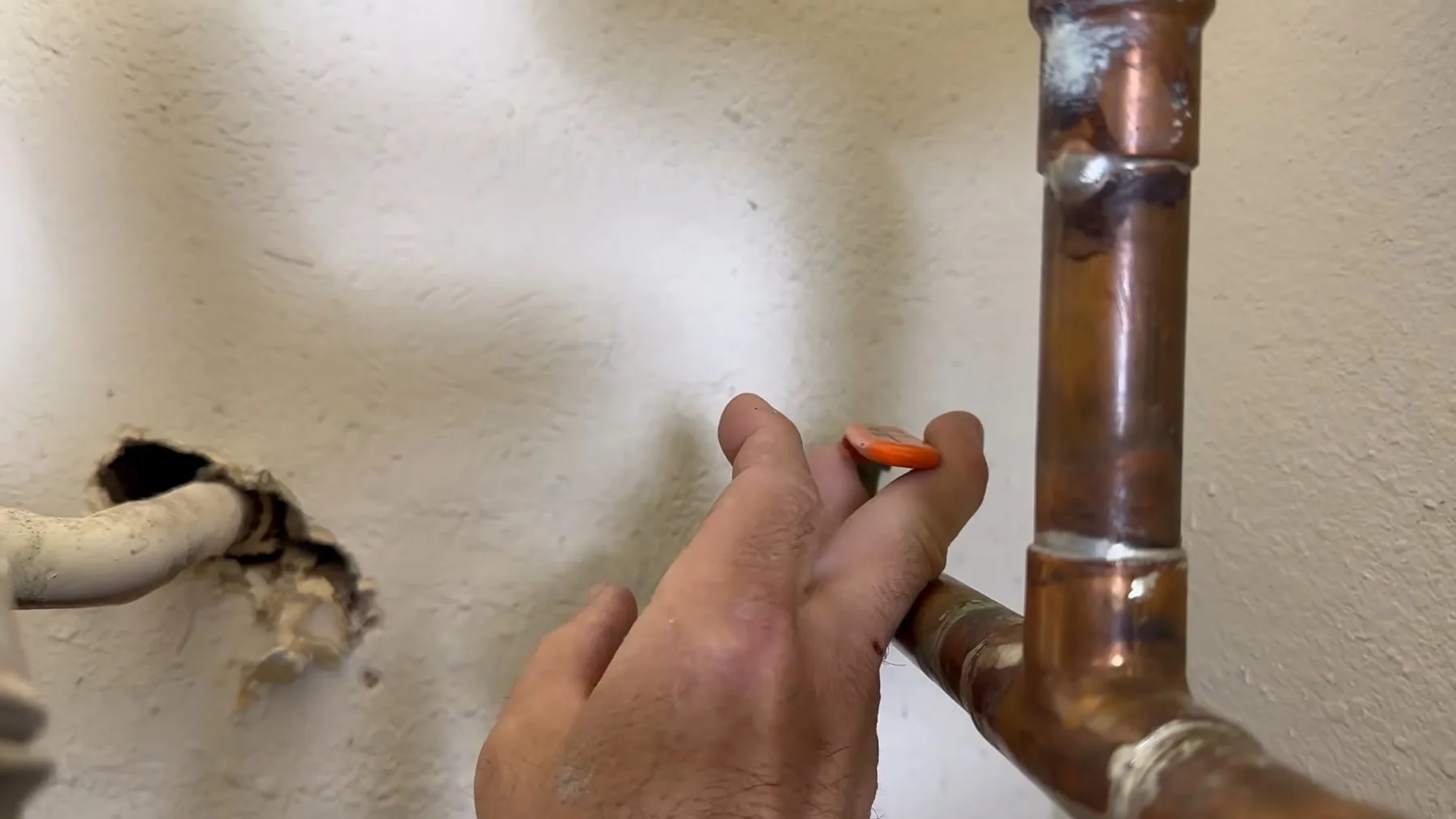
The city also disinfects with chloramine, and discolored or smelly hot water is frequently the sacrificial anode rod doing its job and reaching the end of it, or bacteria in a tank that has sat cool. Replacing an anode is a small fix that can add years, and it is the kind of thing worth checking before assuming a tank is finished. If the tank body itself is leaking, though, that is a replacement, and we will not pretend otherwise.
Questions
Water Heater Repair questions we hear in Sherman
I have no hot water. Is my heater dead?
Usually not. No hot water is most often a failed element or thermostat on an electric unit, or a pilot or thermocouple fault on a gas unit, all of which are repairs. We diagnose the specific cause rather than assuming the worst.
Why does my hot water run out so fast now?
Two common reasons: one of the two heating elements has failed, so the tank only heats half its volume, or sediment has built up in the bottom and reduced the effective capacity. Both are fixable without replacing the heater.
My water heater makes a popping noise. Is that dangerous?
It is usually sediment, water percolating up through a hardened mineral layer at the bottom of the tank. It is not immediately dangerous, but it makes the heater work harder and shortens its life. Flushing the tank generally quiets it and restores some capacity.
When is repair not worth it?
When the tank itself is leaking, or when the unit is near the end of its life and the repair would cost a meaningful fraction of a new one. In those cases we tell you plainly that replacement is the better spend rather than taking payment for a fix that only buys a little time.
Need water heater repair help in Sherman?
Call and describe what is happening. You will reach a plumber who works these Grayson County homes every day.